Once website development is complete, the website enters one of the most critical stages of our process: structured quality assurance (QA) and validation. At WPM, QA is not an informal check or a quick pass through the website — it is a clearly defined phase with established procedures, tools, and internal standards. The focus shifts from building to verifying that every element behaves exactly as intended in real-world conditions.
Internal quality assurance based on a structured checklist
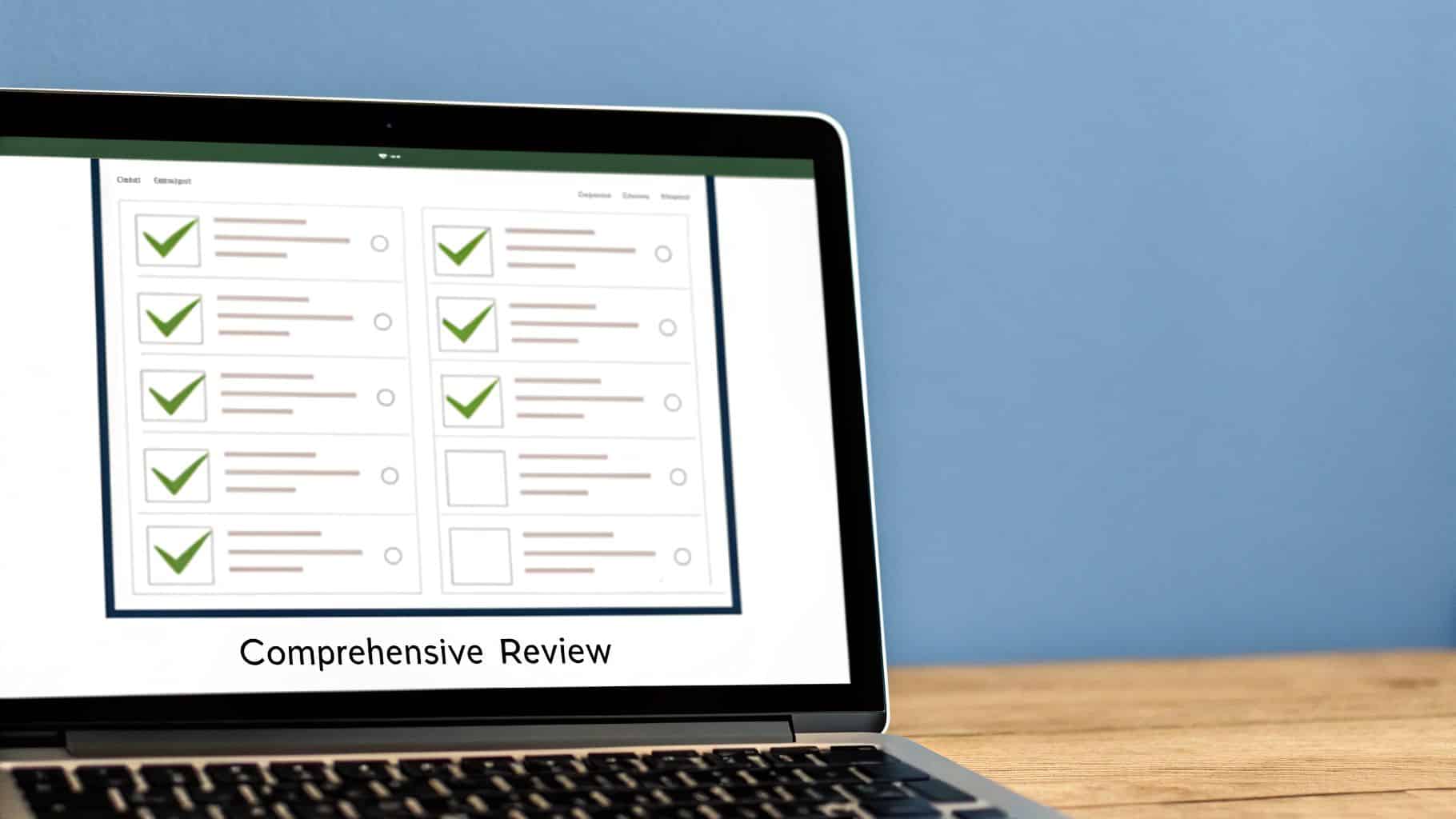
Our QA process is built around a detailed internal checklist that we use across all projects. To manage this effectively, we use Asana to distribute tasks across our entire team. By assigning each point to the specific developer, designer, SEO expert, or content specialist best suited for the job, we can precisely track progress, monitor tasks, and ensure no detail is overlooked.
While this checklist is also used during website launches, QA and launch preparation are closely connected — the same checklist covers both pre-launch validation and launch-readiness checks. This ensures consistency, repeatability, and a high level of reliability across all projects.
During internal QA on the development environment, we systematically validate:
- Functionality – forms, buttons, navigation, filters, checkout flows, and integrations
- User flows and links – verifying that no broken paths, incorrect URLs, or development references remain
- Responsive behavior – layout integrity across devices, breakpoints, and orientations
- Content consistency – headings, spacing, formatting, translations, and missing or placeholder content
- Technical setup – plugin configuration, structured data, SEO fundamentals, security headers, and system limits
We actively test the website as real users would — navigating the interface, submitting forms, interacting with dynamic elements, and deliberately exploring edge cases. QA is treated as a validation phase, not a discovery phase.
Mobile-first testing in practice
Mobile testing is a core part of our QA process, not an afterthought. We validate touch interactions, spacing, readability, performance, and navigation clarity across multiple screen sizes. This goes beyond visual checks — we test usability, interaction behavior, and real scrolling and tapping patterns. Responsiveness is confirmed through hands-on testing, not assumed.
Performance, security, and monitoring tools
As part of QA, we use a combination of external tools and internal systems to validate performance, stability, and security:
- Google PageSpeed Insights for performance, Core Web Vitals, and loading behavior
- A custom SEO audit solution for technical SEO checks, site health, and post-deployment monitoring
- BugBug for automated and repeatable functional testing scenarios
- Sucuri for security validation — typically applied after launch, as development takes place on a secured staging environment
- Custom internal monitoring solutions developed in-house to track errors, failures, and unexpected behavior
This combination allows us to identify issues early, confirm fixes reliably, and maintain a high level of technical confidence before client review.
Client review on the development domain
Once internal QA is completed, the website is shared with the client on the development domain. By this stage, the website has already passed functional, technical, and usability validation. Client feedback at this point is therefore typically focused on fine-tuning, content adjustments, or final refinements rather than structural changes.
From QA to launch
At this point, the website is technically validated, performance-checked, and ready for real traffic. While QA and launch preparation overlap through our checklist, the actual launch process involves additional steps and safeguards. In the next article, we’ll walk through how we move a website from development to production in a controlled and secure way.
Send an inquiry