At WPM, website development is not a creative experiment or a loosely connected series of tasks. It is a structured lifecycle designed to move every project from clarity to stability in a controlled, predictable way. Each phase has a defined purpose. Each decision influences the next step. This article serves as the single source of truth for how we approach website development — internally and in collaboration with our clients.
Our methodology is built on real-world experience, real deadlines and real technical environments. The goal is simple: build digital systems that are stable, scalable and designed to endure.

1. Initial Meeting – Setting the Strategic Foundation
Every successful website begins with clarity. The initial meeting is where we define the purpose of the project, align expectations and establish measurable goals. Without this structured start, misunderstandings and scope drift become inevitable.
During this phase, we clarify business objectives (sales, lead generation, brand positioning), target audience behavior, required functionality, integrations and content responsibilities. In more complex cases, we expand this into a strategic workshop that transforms ideas into a realistic and executable plan.
Development does not start with design or code — it starts with understanding. Strong foundations at this stage create smoother execution in every phase that follows.
2. Tree Structure & Content Planning – Building the Architecture
Once direction is defined, we design the architecture. Through structured planning, we create a logical page hierarchy, navigation system, internal linking model and SEO-ready URL structure. This step is detailed further in our guide on tree structure and content planning.
We determine main pages, subpages, landing logic, content categories and (if applicable) product taxonomy. At the same time, we align content responsibilities — what already exists, what must be created and who is accountable.
Poor structure cannot be fixed later with design improvements. Architecture is the backbone of usability, scalability and search visibility.
3. Wireframing & Layout Logic – Defining Function Before Design
Before visual design begins, we validate functionality through wireframes. As explained in our article on wireframing and layout logic, this phase focuses on structure, hierarchy and user flow without the distraction of colors or branding.
We define section structure, content blocks, call-to-action positioning, conversion pathways and mobile-first behavior. This allows us to test usability early and reduce subjective design discussions later.
If a page works structurally, it will work visually. Wireframing protects the project from costly revisions and ensures that design decisions are based on logic rather than preference.
4. Design & Visual Identity – Translating Strategy into Experience
Once structure and layout logic are approved, we move into visual design. Our approach to design and visual identity transforms strategic direction into a cohesive visual system.
We define typography, color systems, spacing logic, UI components and imagery direction. Every element must support clarity, brand recognition and usability across devices.
Design is not decoration. It is communication. A strong visual identity increases trust and reinforces consistency across all touchpoints.
5. Design Approval & Handoff – Aligning Vision and Execution
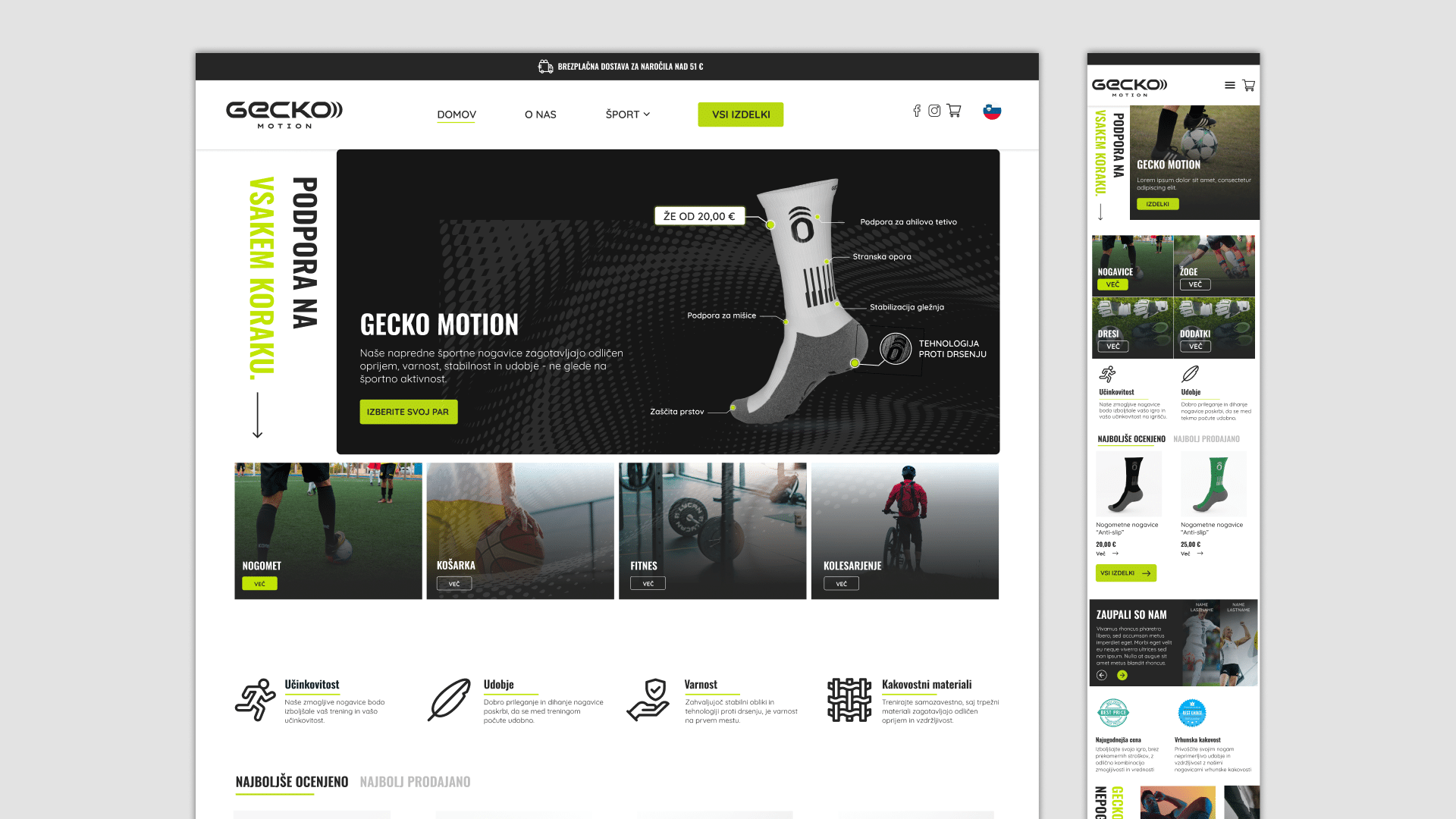
Before development begins, design must be formally approved. Our structured design approval and handoff process acts as a control checkpoint that prevents ambiguity during implementation.
We confirm responsive behavior, UI components, interaction logic and content hierarchy. Once validated, developers receive precise documentation and assets to ensure implementation accuracy.
This step reduces revision cycles and protects the project from scope changes later. Alignment at this stage ensures predictable execution.
6. Development Phase – Building the Functional System
With approved design in place, the project moves into development. As described in our overview of the development phase, this is where visual concepts become a fully functional system.
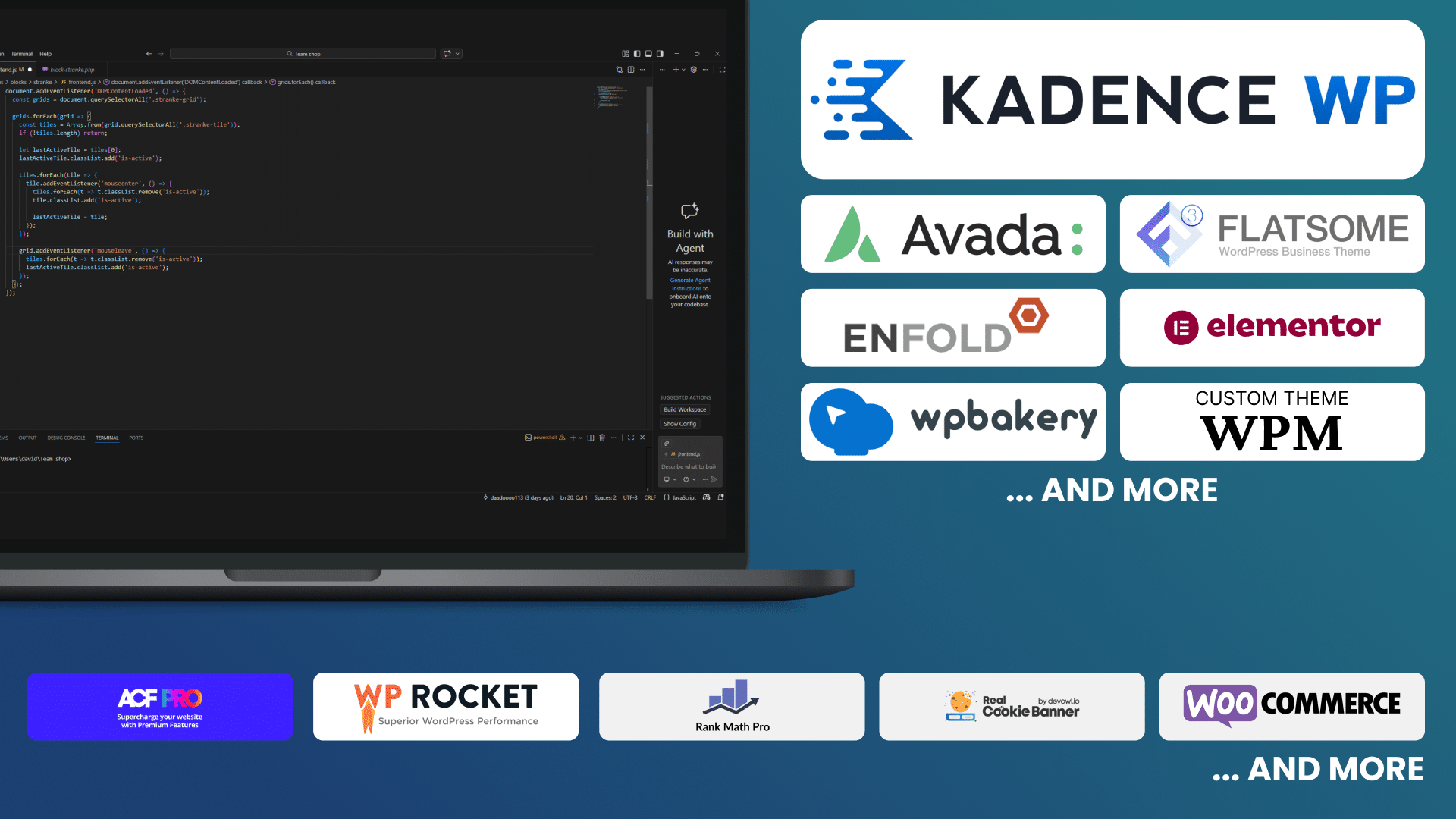
We implement theme architecture, custom functionality, plugin configurations, integrations and (if applicable) WooCommerce setup. Performance optimization and security hardening are integrated from the start, following WordPress best practices outlined in the WordPress Developer Guidelines.
The goal is not simply to make the website work. It is to build it correctly. Clean architecture ensures long-term stability, easier maintenance and scalable growth.
7. QA Testing & Final Review – Validating Before Launch
Before launch, every website enters structured Quality Assurance. Our detailed approach is explained in QA testing and final review.
We test responsive behavior, forms, transactional emails, payment gateways, integrations, SEO configuration and performance metrics. SEO validation follows principles outlined by Google Search Central, while security checks align with guidance from OWASP.
QA is not a cosmetic check. It is systematic validation designed to detect inconsistencies before they reach production. Only stable systems move forward to deployment.
8. Deployment & Production Migration – Controlled Go-Live
Deployment is a controlled migration from staging to production. Our structured approach to deployment and production migration ensures database integrity, file consistency, SSL configuration and integration stability.
We verify payment gateways, caching behavior and server configuration before enabling public access. A final production checklist confirms that no staging artifacts remain.
A successful launch is defined by stability, not speed.
9. The First 30 Days – Real-World Stabilisation
The first month after launch is an active monitoring period. We analyze indexing status, server logs, performance under real traffic, transactional email reliability, analytics accuracy and integration behavior.
Even the most thorough QA cannot replicate every real-world condition. This phase allows us to detect edge cases and resolve them before they escalate.
The objective is simple: ensure the website does not just launch successfully — it performs reliably in production.
10. Transition to Maintenance – Long-Term Digital Stability
After stabilisation, the website transitions into operational mode. Maintenance at WPM is structured, proactive and documented. It includes updates, backups, security monitoring, performance checks and controlled support workflows.
Premium licenses are included in the first year. After that, clients choose between centralized management through a WPM maintenance package or independent management under their own responsibility.
A monitored website remains secure and scalable. An unmanaged one gradually becomes fragile.
One Lifecycle, One Predictable System
WPM Website Development is not a collection of isolated phases. It is one connected lifecycle designed to reduce uncertainty and increase predictability. Strategy defines direction. Structure builds architecture. Wireframing validates logic. Design establishes identity. Development constructs functionality. QA ensures stability. Deployment controls migration. Monitoring confirms real-world performance. Maintenance secures long-term continuity.
When followed systematically, this model prevents chaos, protects resources and ensures that websites are built not only to launch — but to last.
At WPM, we build structured digital systems designed for longevity.