Once the website development process has successfully passed quality assurance and received client approval, it enters the final technical phase of our process: deployment and production launch. At WPM, launch is not a simple “go live” action — it is a controlled infrastructure transition from a secure development environment to a live production server. The objective is clear: ensure that the live website behaves identically to the validated staging version, without data inconsistencies, configuration drift, or integration failures.
Migration from staging to production
All projects are developed within a secured staging environment, isolated from public traffic. Once approved, we prepare the website for transfer to the production server. The deployment method depends on the hosting infrastructure. We always choose the most stable and technically appropriate approach for the specific environment.
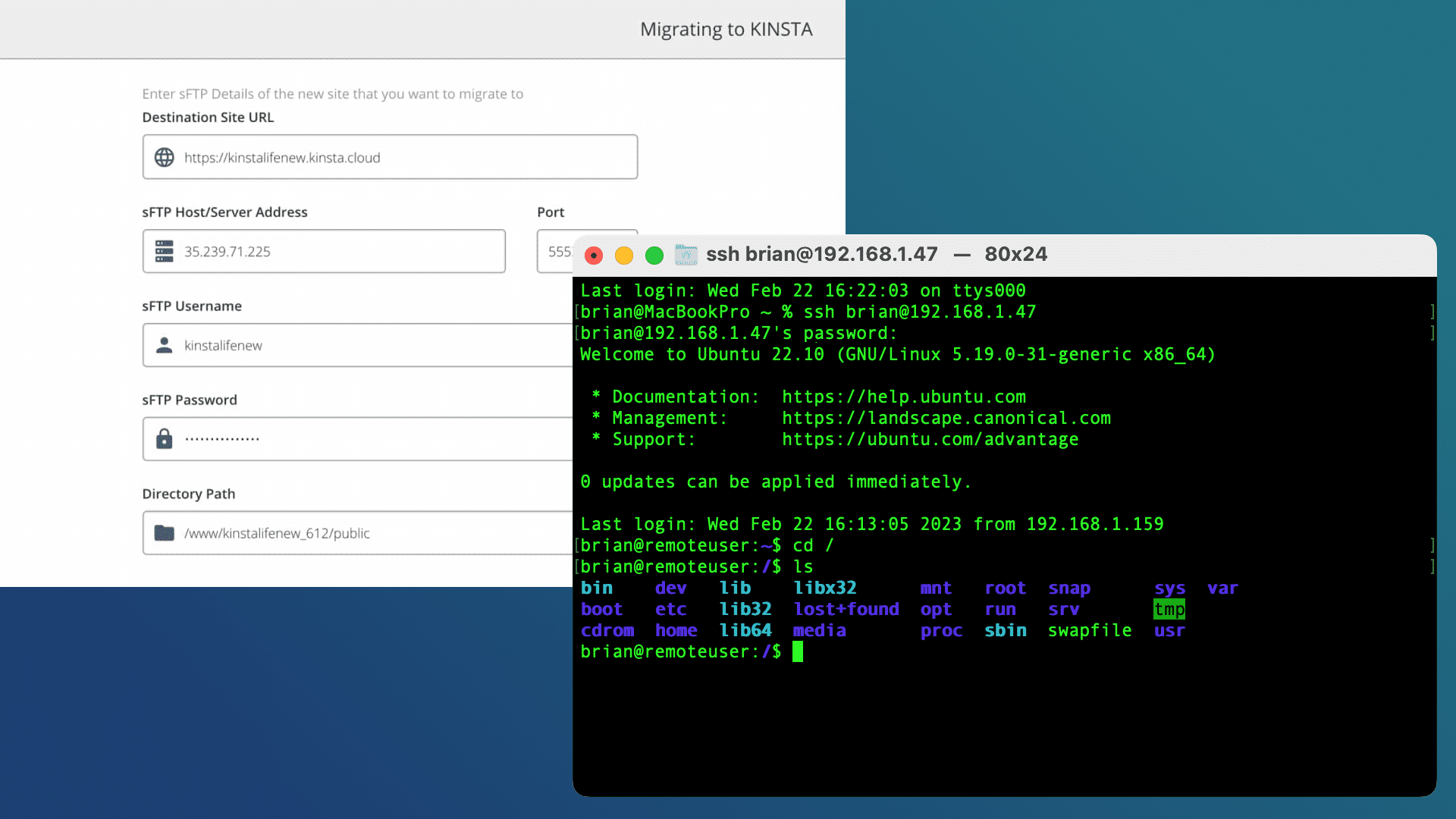
On cPanel-based hosting, we most commonly use Migrate Guru to perform a structured full-package migration, ensuring consistency between environments. On managed WordPress hosting environments such as Kinsta or Pressable, where direct server access is preferred, we perform migration via SFTP / SSH, combined with controlled database transfer and precise search and replace operations to safely update environment URLs and serialized data.
Every migration is handled with attention to database integrity, configuration alignment, and server-level compatibility.
If the project includes WooCommerce development, we additionally validate checkout flows, payment connections, order emails, tax configuration, and live webhook behaviour before confirming production readiness.
Production environment alignment
After the website is transferred, we configure and validate the production environment. This includes domain configuration, SSL validation, database connection verification, permalink regeneration, cache configuration, and confirmation of PHP and server resource settings. We ensure that the live server reflects the validated staging setup while respecting hosting-specific limitations and performance parameters.
Live checklist validation
Before public launch, we go through our structured checklist once again — this time focused specifically on production validation.
We carefully verify:
- All links and redirects, ensuring no staging URLs remain
- Email delivery systems, including transactional emails and SMTP configuration
- Form functionality and submission handling
- Payment gateways, including Stripe connections and webhook validation
- Analytics and tracking configuration, such as GA4, GTM, and Meta Pixel
- SEO visibility settings, ensuring the website is indexable
This final validation ensures that the live environment performs exactly as expected under real traffic conditions.
External services and integration migration
If the project includes multilingual configuration via WPML, marketing automation through Klaviyo or Omnisend, WooCommerce integrations, or other API-based services, we ensure that all production credentials replace staging keys and that webhooks, tracking scripts, and automations are correctly reconnected.
The previous staging environment is locked or restricted to prevent duplicate indexing or unintended usage.

Post-launch support and monitoring
Launch does not mark the end of the process. Every project includes a 30-day post-launch support window, during which the client may request free corrections within the existing infrastructure. This applies to adjustments and fixes — not structural upgrades, redesigns, or new feature implementations. In addition, during the first 14 days after launch (or more if needed), we actively monitor the website on a daily basis to detect potential errors, technical inconsistencies, or unexpected behaviour under real traffic conditions. We also review Google Search Console at strategic intervals — typically 7, 14, and 21 days after launch — to monitor indexing status, crawl errors, performance reports, and potential technical warnings.
If the client opts for ongoing WordPress maintenance, the website is integrated into our ModularDS management system and connected to our custom-built monitoring infrastructure for automated error alerts and downtime monitoring. This ensures long-term stability, proactive updates, and immediate notification in case of system-level issues.
A successful launch is not defined by going live — it is defined by going live with structured support, monitoring, and technical accountability.
Send an inquiry