Once the design phase is complete, website development moves into a crucial transition step: design approval, refinements, and preparation for development. This phase ensures that what has been designed can be built efficiently, consistently, and without unnecessary friction. The focus here is alignment — between the client, designers, and developers — before any code is written.
Design preview and client alignment
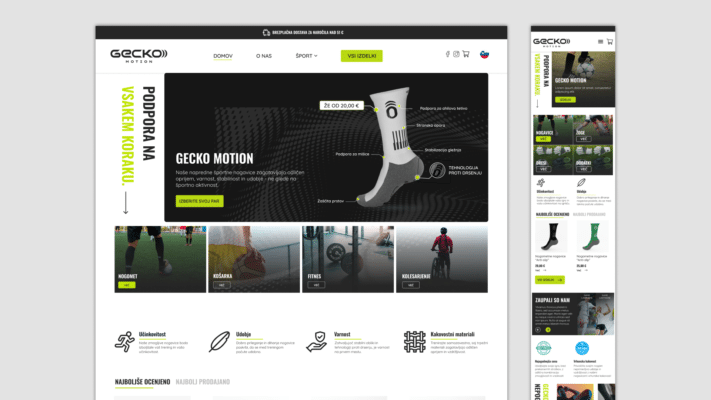
The first step is sharing a design preview with the client. This preview presents the full visual model of the website, based on approved structure, content, wireframes, and visual identity. At this stage, we review the design together and align on overall direction, usability, visual tone, and clarity. The goal is not to redesign, but to confirm that the solution meets expectations and project goals.
Based on the review, we collect feedback and apply necessary refinements. This can include adjustments to layout, spacing, typography, colors, or individual components. Because structure, content, and tone were already defined earlier in the process, feedback at this stage is focused and efficient, not exploratory. Small refinements now prevent large changes later — especially during development.
Breaking the design into sections
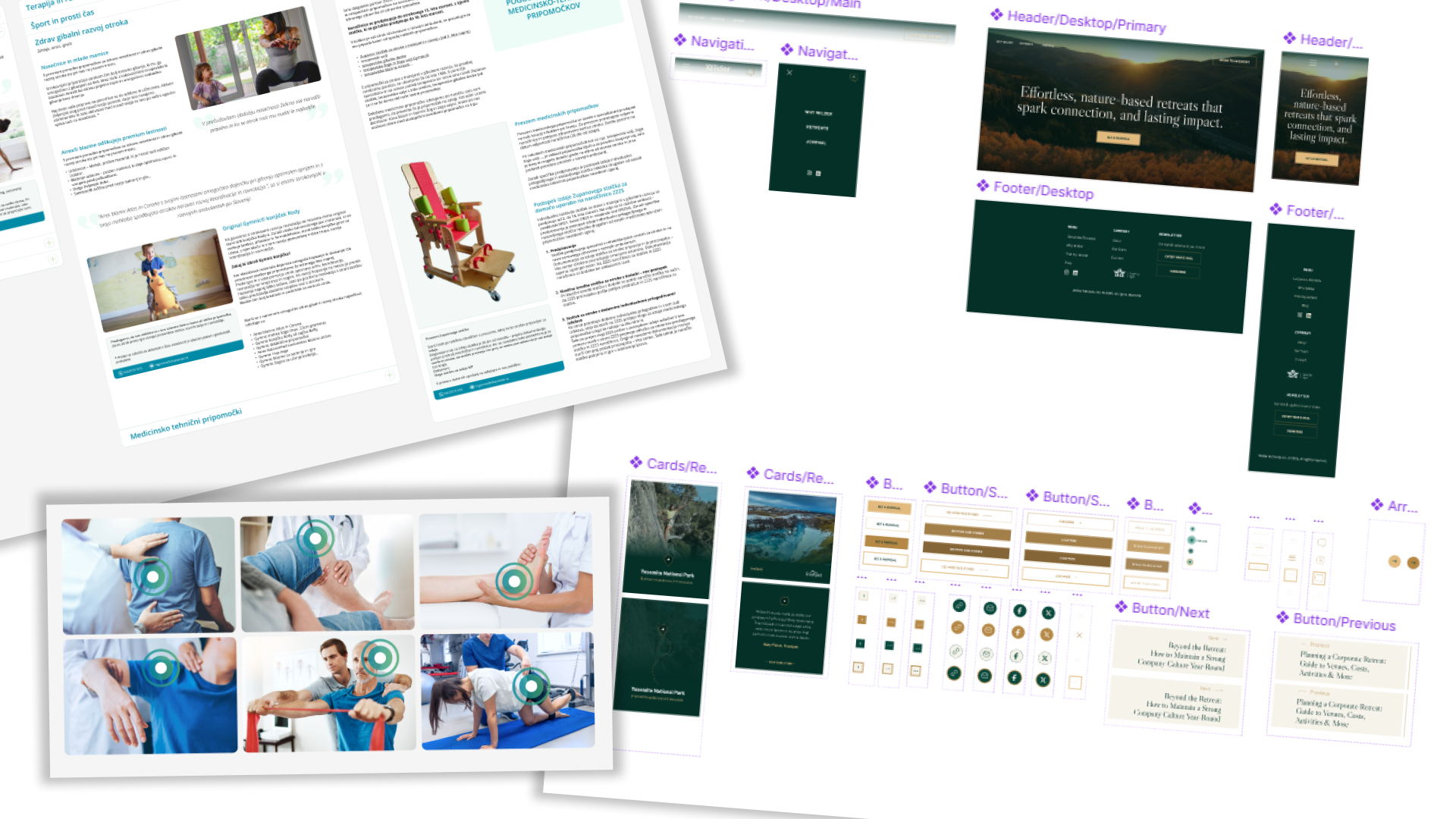
Once the design is approved, it is prepared for development by breaking it down into clear, reusable sections. Each section is defined based on its role, content type, and behavior. This step makes the design easier to understand, implement, and maintain. It also supports a modular approach to development.
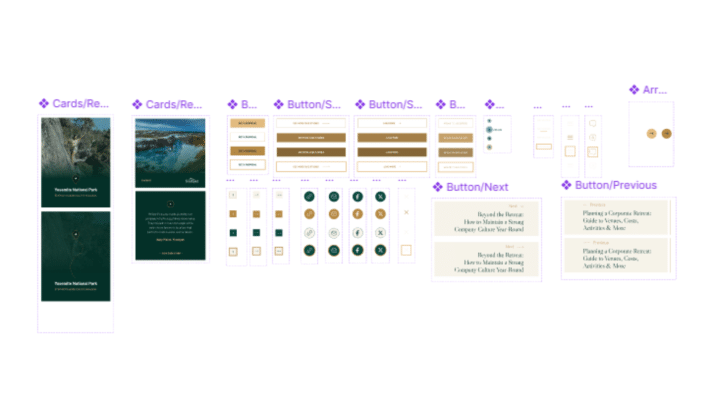
From repeating design patterns, we extract reusable UI elements such as buttons, content blocks, cards, headings, and layout components. These elements are stored in the WPM Library, ensuring consistency across the website and speeding up development. Reusable elements reduce errors, simplify updates, and improve long-term scalability.
Preparing images and multimedia assets
Visual assets are prepared as part of the handoff process. This includes exporting images in the correct formats and resolutions, as well as optimizing them for performance. All images are properly named and prepared with meaningful alt attributes, ensuring accessibility and SEO readiness from day one. This step also applies to other multimedia assets, such as icons, illustrations, and video thumbnails.
Final handoff to development
After design approval, refinements, and asset preparation, the project is ready for development. The development team receives a clean, structured, and validated design system, complete with sections, reusable components, assets, and interaction references. This handoff minimizes assumptions and ensures that what gets built matches what was designed — visually, structurally, and functionally.
Setting the stage for development
This phase acts as a bridge between design and development. It transforms creative output into a build-ready foundation. With everything aligned and prepared, development can begin with confidence and momentum. In the next article, we’ll explore the development phase and show how the approved design is translated into a functional, high-performing website.
Send an inquiry