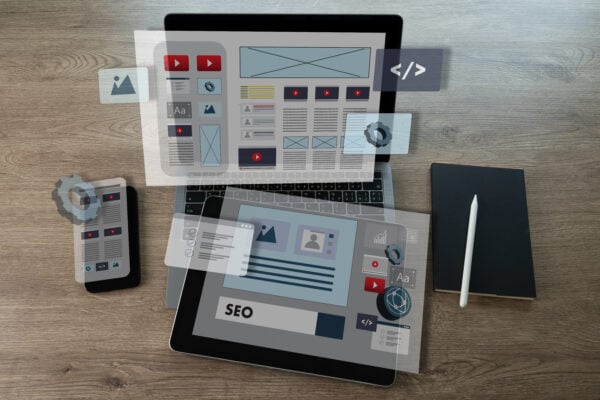
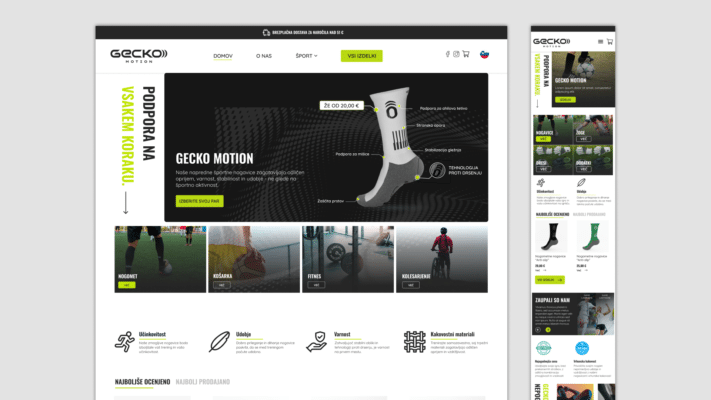
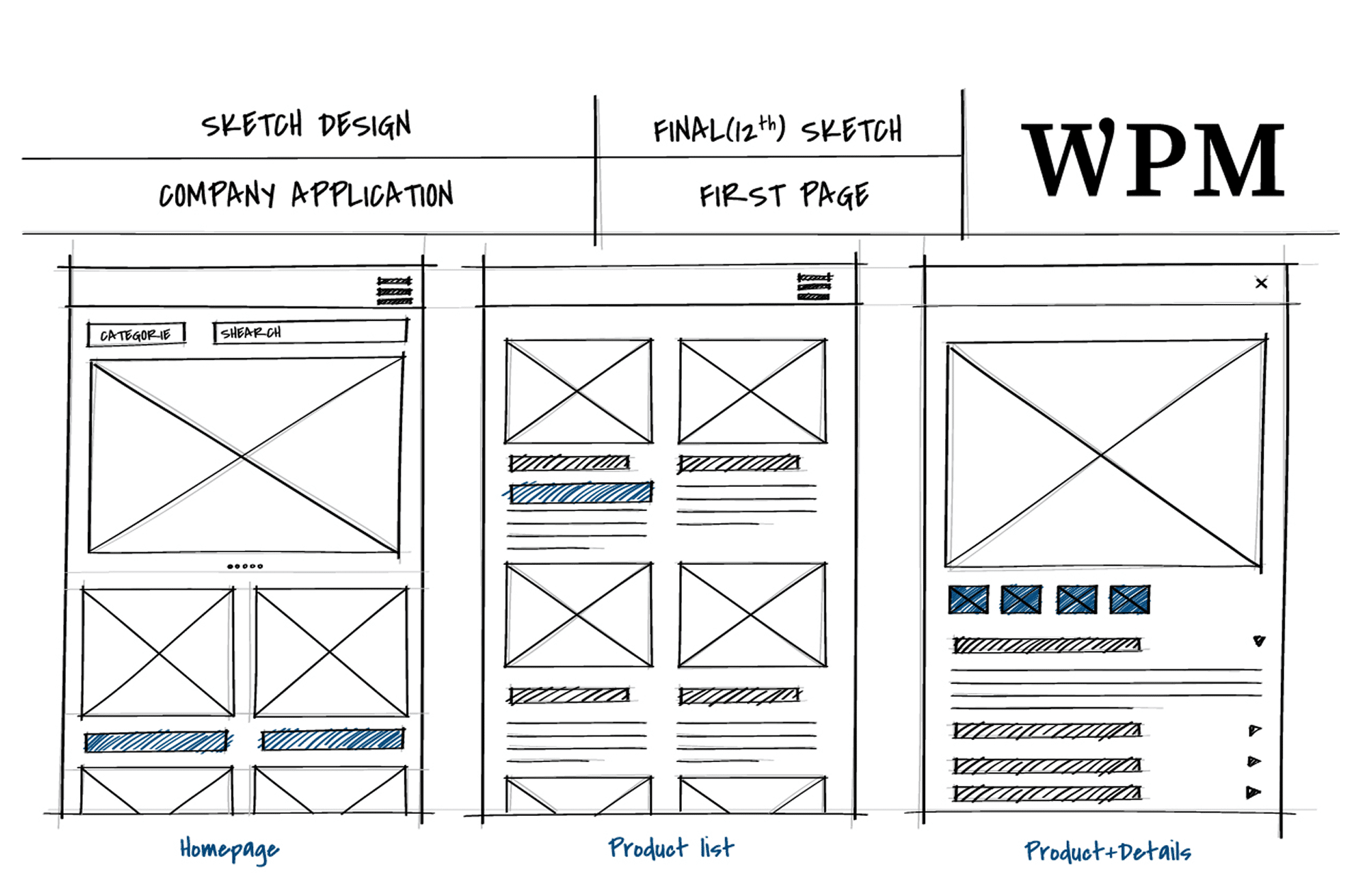
Once the website’s tree structure and content plan are clearly defined, website development moves into a phase where structure begins to take visual form. This is where wireframing comes into play. Wireframes translate strategy into layout. They show how content, functionality, and user flow come together on a page—without the distraction of colors, typography, or visual styling.
What wireframing is (and what it is not)
Wireframes are low-fidelity page layouts that focus on structure, hierarchy, and logic. They define what goes where and why. They are not design mockups. Wireframes deliberately avoid visual polish so that decisions are driven by usability and purpose, not aesthetics.
What we define during the wireframing phase
Wireframing helps us clearly define how each page works before any design or development begins.
- Content hierarchy – what users see first and what supports it
- Layout structure – how sections are organized on the page
- User flow – how users move through the page and toward key actions
- Functional elements – forms, navigation, calls to action, and interactive components
This ensures that every element on the page has a clear role.
Wireframing based on real content
Whenever possible, wireframes are created using real or realistically planned content, not placeholder text. This allows us to test whether the layout truly supports the message and goals of each page. It also helps identify content gaps early, before they turn into design or development issues.
Iteration, feedback, and alignment
Wireframes are meant to be discussed, challenged, and refined. Because they are simple, they allow for fast feedback and easy iteration. This phase creates a shared understanding between everyone involved in the project. Clients, designers, and developers all work from the same reference point, reducing assumptions and misalignment later on.
Fixing structure at this stage is fast and inexpensive. Fixing it later is not.
Why we don’t skip wireframing
Skipping wireframes often leads to design decisions that look good but don’t work well. It also increases the risk of last-minute changes, scope creep, and unnecessary revisions. Wireframing reduces risk, saves time, and creates confidence before moving into design and development.
From wireframes to design
Once wireframes are approved, the project is ready for the design phase. Visual identity, branding, and UI decisions are layered on top of a validated layout and user flow. This allows design to focus on expression and emotion, while the underlying structure already does its job. In the next article, we’ll explore the design phase and show how wireframes evolve into a complete visual identity.
Send an inquiry